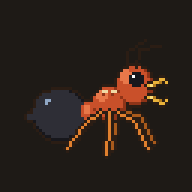
Blood-red ant is a 3-star species card from the Iron Age. Blood-red ants raid other Formica nests and carry off their pupae.
Bonus by grade
| Grade | Copies needed | Bonus |
|---|---|---|
| Common | 0 | +10% soldiers per card |
| Uncommon | 2 | +18% soldiers per card |
| Rare | 5 | +30% soldiers per card |
| Epic | 10 | +45% soldiers per card |
| Legendary | 20 | +70% soldiers per card |
Duplicates raise the grade: Uncommon at 2, Rare at 5, Epic at 10, Legendary at 20.
Codex
- Common: The blood-red ant (Formica sanguinea) has a red head and body and a dark abdomen.
- Uncommon: It raids the nests of other Formica ants.
- Rare: It carries off pupae, which hatch in its own nest.
- Epic: The captured workers then work for the raiders' colony.
- Legendary: Unlike some raiders, it can also do its own work.
Field notes are reviewed regularly. Spot something wrong? Tell us.
Field guide
| Size | Workers about 6–9 mm; queens about 9–10 mm |
| Colony | Not well known |
| Queens | Several queens; colonies can also split to spread |
| Nest | In soil, sometimes with a mound, or under stones and in rotten logs |
| Diet | Small arthropods and honeydew from aphids |
| Defence | Strong jaws; sprays formic acid when raiding or defending |
| Active | Raids mainly in summer; rests through winter |
| Lifespan | Not well known |
| Where it lives | Across Eurasia, from Portugal to Japan and up to Arctic Norway |
Did you know?
- Young queens may found a colony by taking over a small Formica fusca nest.
- Winged adults develop in July, and mating often happens near the nest.
- In Russia, it often builds big nests of plant material in dry pine forests.
Sources: antwiki.org, ant-shack.com