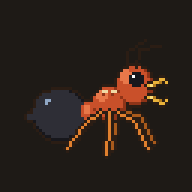
Giant forest ant is a 4-star species card from the Information Age. The giant forest ant is one of the largest ants in the world.
Bonus by grade
| Grade | Copies needed | Bonus |
|---|---|---|
| Common | 0 | +12% soldier HP |
| Uncommon | 2 | +21.6% soldier HP |
| Rare | 5 | +36% soldier HP |
| Epic | 10 | +54% soldier HP |
| Legendary | 20 | +84% soldier HP |
Duplicates raise the grade: Uncommon at 2, Rare at 5, Epic at 10, Legendary at 20.
Codex
- Common: Dinomyrmex gigas lives in South-East Asian rainforests.
- Uncommon: It is one of the biggest ants on Earth.
- Rare: It forages mostly at night, often on the forest floor.
- Epic: Most of its diet is honeydew.
- Legendary: Colonies guard their territory against neighbours.
Field notes are reviewed regularly. Spot something wrong? Tell us.
Field guide
| Size | Workers about 21 mm; larger soldiers about 28 mm |
| Colony | About 7,000 workers, spread over several nests |
| Queens | Not well known |
| Nest | Underground nests; one colony can use several nests |
| Diet | About 90% honeydew, plus small insects and bird droppings |
| Defence | Not well known; observers describe them as gentle and unbothered by people |
| Active | Night, when thousands head across the forest floor and up into the trees |
| Lifespan | Not well known |
| Where it lives | Rainforests of Sumatra, Malaysia, Borneo, Singapore and Thailand |
Did you know?
- Larger workers weigh nearly three times as much as smaller ones.
- Honeydew comes from sap-sucking insects such as planthoppers and treehoppers.
- Foraging at night may help avoid predators and day-active ant rivals.
Sources: en.wikipedia.org, bugoftheweek.com