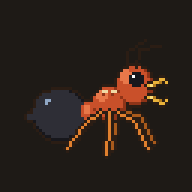
Acacia ant is a 3-star species card from the Industrial Age. Acacia ants live inside the hollow thorns of bullhorn acacia trees and defend them.
Bonus by grade
| Grade | Copies needed | Bonus |
|---|---|---|
| Common | 0 | +10% soldier HP |
| Uncommon | 2 | +18% soldier HP |
| Rare | 5 | +30% soldier HP |
| Epic | 10 | +45% soldier HP |
| Legendary | 20 | +70% soldier HP |
Duplicates raise the grade: Uncommon at 2, Rare at 5, Epic at 10, Legendary at 20.
Codex
- Common: Pseudomyrmex ferrugineus lives in bullhorn acacias.
- Uncommon: The tree grows hollow thorns that the ants live in.
- Rare: It also feeds them with nectar and protein-rich tips.
- Epic: In return the ants sting animals and clear away other plants.
- Legendary: Each side helps the other: a famous partnership.
Field notes are reviewed regularly. Spot something wrong? Tell us.
Field guide
| Size | Not well known |
| Colony | Grows from one queen to several thousand workers over about three years |
| Queens | Usually one queen per colony; a few older colonies have more |
| Nest | Hollow thorns of swollen-thorn acacias; the queen gnaws the entrance |
| Diet | Nectar from the leaves, protein-and-oil Beltian bodies, and honeydew from scale insects |
| Defence | Very painful sting with lasting burning; workers swarm quickly to attack |
| Active | Not well known; mating flights can happen in warm weather at any time of year |
| Lifespan | Not well known |
| Where it lives | Eastern and southern Mexico through Central America, on swollen-thorn acacias |
Did you know?
- Workers also destroy seedlings of competing plants growing near their acacia.
- Daniel Janzen's studies made this ant a textbook example of a plant and ant helping each other.
- Traditional Maya medicine has used these ants to treat conditions such as asthma.
Sources: en.wikipedia.org, antwiki.org