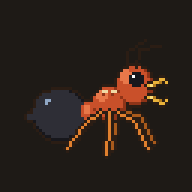
Antlion is a 2-star creature card from the Stone Age. Antlion larvae dig cone-shaped pits in sand and wait for ants to slip in.
Bonus by grade
| Grade | Copies needed | Bonus |
|---|---|---|
| Common | 0 | +8% stun chance per hit |
| Uncommon | 2 | +14.4% stun chance per hit |
| Rare | 5 | +24% stun chance per hit |
| Epic | 10 | +36% stun chance per hit |
| Legendary | 20 | +56% stun chance per hit |
Duplicates raise the grade: Uncommon at 2, Rare at 5, Epic at 10, Legendary at 20.
Codex
- Common: Antlion larvae live at the bottom of sandy pits.
- Uncommon: They flick sand at prey to knock it down the slope.
- Rare: Their jaws are large and hollow.
- Epic: Adult antlions have long wings and look a bit like damselflies.
- Legendary: In some places the larvae are called doodlebugs.
Field notes are reviewed regularly. Spot something wrong? Tell us.
Field guide
| Size | Adults have wingspans of about 2–15 cm; larvae are much smaller |
| Nest | Cone-shaped pits in loose, dry sand, often sheltered from rain |
| Diet | Small insects and other arthropods, especially ants |
| Defence | Larvae play dead for minutes up to an hour when disturbed |
| Active | Adults are nocturnal; they fly at dusk or after dark |
| Lifespan | Larvae take several years; adults live about 25 days, up to 45 |
| Where it lives | Nearly worldwide, most varied in warmer regions |
Did you know?
- Larvae sense prey by feeling vibrations in the ground.
- In Japan, antlions and their pits are called Arijigoku, meaning Ant Hell.
- Larvae have no exit for waste; they store it until the end of the pupal stage.
Sources: en.wikipedia.org