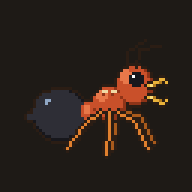
Yellow meadow ant is a 1-star species card from the Stone Age. Yellow meadow ants build grassy mounds that can last for decades.
Bonus by grade
| Grade | Copies needed | Bonus |
|---|---|---|
| Common | 0 | +5% Food production |
| Uncommon | 2 | +9% Food production |
| Rare | 5 | +15% Food production |
| Epic | 10 | +22.5% Food production |
| Legendary | 20 | +35% Food production |
Duplicates raise the grade: Uncommon at 2, Rare at 5, Epic at 10, Legendary at 20.
Codex
- Common: The yellow meadow ant (Lasius flavus) is small and pale yellow.
- Uncommon: It lives mostly underground and is rarely seen on the surface.
- Rare: Its colonies farm root aphids for their honeydew.
- Epic: Old meadows can be covered in its grassy mounds.
- Legendary: Some mounds have been used by the same colony line for a very long time.
Field notes are reviewed regularly. Spot something wrong? Tell us.
Field guide
| Size | Workers about 2–5 mm long |
| Colony | Several thousand, up to about 100,000 workers |
| Queens | Reports differ; one queen, or several starting a colony together |
| Nest | Underground, with earth mounds in pastures or nests under stones |
| Diet | Honeydew from root aphids, plus small insects |
| Defence | Not well known |
| Active | Mostly underground; mating flights in late afternoon, July to September |
| Lifespan | Not well known |
| Where it lives | Across Europe and northern Asia, from Britain to Japan |
Did you know?
- In swampy ground, mounds can grow taller than 60 centimetres.
- In southern European lowlands, it nests almost only under stones.
- Workers keep root aphids inside the nest and tend them there.
Sources: antwiki.org, naturespot.org