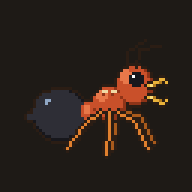
American honeypot ant is a 3-star species card from the Atomic Age. Some American honeypot ants hang from the ceiling as living jars of nectar.
Bonus by grade
| Grade | Copies needed | Bonus |
|---|---|---|
| Common | 0 | +10% Food cap |
| Uncommon | 2 | +18% Food cap |
| Rare | 5 | +30% Food cap |
| Epic | 10 | +45% Food cap |
| Legendary | 20 | +70% Food cap |
Duplicates raise the grade: Uncommon at 2, Rare at 5, Epic at 10, Legendary at 20.
Codex
- Common: Myrmecocystus mexicanus lives in North American deserts.
- Uncommon: Some workers, called repletes, are filled with nectar.
- Rare: Their abdomens swell like little amber grapes.
- Epic: They hang in the nest and feed others in dry times.
- Legendary: Rival colonies sometimes raid each other for repletes.
Field notes are reviewed regularly. Spot something wrong? Tell us.
Field guide
| Size | Workers about 3–7 mm; queens about 9 mm; repletes swell to 6–12 mm |
| Colony | About 5,000 ants, a quarter of them repletes |
| Queens | One queen per colony |
| Nest | Underground chambers; repletes hang from the domed ceilings |
| Diet | Nectar from yucca and oak galls, aphid honeydew, and dead insects |
| Defence | Workers guard the nest; not known as a danger to people |
| Active | March to November, mostly at night in cooler weather |
| Lifespan | Colonies average about 9 years, up to 23; workers live weeks to months |
| Where it lives | Southwestern United States and parts of Mexico |
Did you know?
- The largest workers become repletes, and the next largest take over if they are removed.
- Repletes can store sugars, protein and oils, and even water.
- Native peoples of the Southwest and Mexico ate repletes as a sweet treat.
Sources: en.wikipedia.org