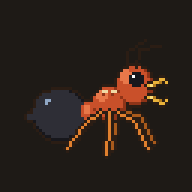
Aphid herd is a 2-star creature card from the Stone Age. Some ants 'milk' aphids for a sugary liquid called honeydew.
Bonus by grade
| Grade | Copies needed | Bonus |
|---|---|---|
| Common | 0 | +3Food per second (also offline) |
| Uncommon | 2 | +5.4Food per second (also offline) |
| Rare | 5 | +9Food per second (also offline) |
| Epic | 10 | +13.5Food per second (also offline) |
| Legendary | 20 | +21Food per second (also offline) |
Duplicates raise the grade: Uncommon at 2, Rare at 5, Epic at 10, Legendary at 20.
Codex
- Common: Aphids suck plant sap and release extra sugar as honeydew.
- Uncommon: Ants stroke aphids with their antennae to collect it.
- Rare: In return, ants guard aphids from predators like ladybirds.
- Epic: Some ants carry aphids to better plants, or into their nests for winter.
- Legendary: Gardeners see this partnership as a pest problem, because it helps aphids spread.
Field notes are reviewed regularly. Spot something wrong? Tell us.
Field guide
| Size | Not well known |
| Nest | On plants, usually under leaves or on shoots; some live on roots underground |
| Diet | Sugary sap from plant veins (phloem) |
| Defence | Cornicles on the back release quick-hardening wax; some give off alarm scent |
| Active | Winged forms fly only by day; rain can wash aphids off plants |
| Lifespan | A generation lives about 20–40 days |
| Where it lives | Worldwide, most common in cooler temperate regions |
Did you know?
- Aphids rely on bacteria inside their bodies to make amino acids that plant sap lacks.
- Ant-tended aphids tend to make smaller drops of honeydew, richer in amino acids.
- Yellow meadow ants keep root aphids in their nests; new queens carry an aphid egg with them.
Sources: en.wikipedia.org