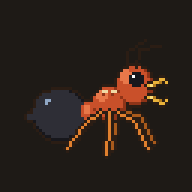
Lacewing larva is a 2-star creature card from the Information Age. Lacewing larvae hunt aphids, and some disguise themselves with debris to sneak past ants.
Bonus by grade
| Grade | Copies needed | Bonus |
|---|---|---|
| Common | 0 | +8% critical hit chance |
| Uncommon | 2 | +14.4% critical hit chance |
| Rare | 5 | +24% critical hit chance |
| Epic | 10 | +36% critical hit chance |
| Legendary | 20 | +56% critical hit chance |
Duplicates raise the grade: Uncommon at 2, Rare at 5, Epic at 10, Legendary at 20.
Codex
- Common: Lacewing adults have delicate, lacy wings.
- Uncommon: Their larvae are fierce hunters of aphids.
- Rare: Ants that farm aphids attack them.
- Epic: Some larvae carry bits of debris on their backs.
- Legendary: The debris helps them hide from ants.
Field notes are reviewed regularly. Spot something wrong? Tell us.
Field guide
| Size | Adults about 19 mm to the wing tip; larvae up to about 12 mm |
| Nest | Plants in crops, gardens and wild areas; eggs sit on silk stalks |
| Diet | Larvae eat aphids, mites and other soft insects; adults eat honeydew, nectar and yeasts |
| Defence | Larvae wear a cover of debris or prey remains, which may hide them from ants |
| Active | Warm months, often several generations a year |
| Lifespan | Adults live several weeks; egg to adult takes about 4–6 weeks |
| Where it lives | Worldwide, in fields, gardens and wildlands |
Did you know?
- A female lays about 100–300 eggs, each on the end of a thin silken stalk.
- Larvae pierce prey and suck out the contents, which is why gardeners value them.
- Adults of some groups, such as Chrysoperla, only feed on nectar, honeydew and yeasts.
Sources: ipm.ucanr.edu