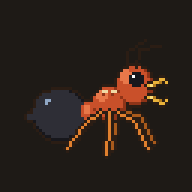
Ladybird is a 2-star creature card from the Bronze Age. Ladybirds are beetles that eat aphids, so ants often chase them off.
Bonus by grade
| Grade | Copies needed | Bonus |
|---|---|---|
| Common | 0 | +8% damage to bosses |
| Uncommon | 2 | +14.4% damage to bosses |
| Rare | 5 | +24% damage to bosses |
| Epic | 10 | +36% damage to bosses |
| Legendary | 20 | +56% damage to bosses |
Duplicates raise the grade: Uncommon at 2, Rare at 5, Epic at 10, Legendary at 20.
Codex
- Common: A single ladybird can eat thousands of aphids in its life.
- Uncommon: Their bright colours warn predators that they taste bad.
- Rare: Ants guarding aphids attack ladybird larvae.
- Epic: Ladybirds are beetles, not bugs.
- Legendary: Some ladybird larvae disguise themselves with waxy coats to sneak past ants.
Field notes are reviewed regularly. Spot something wrong? Tell us.
Field guide
| Size | Adults about 0.8–18 mm; females usually slightly larger |
| Nest | Plants where prey lives; in cold areas they huddle under bark, leaves or rocks |
| Diet | Mostly aphids, scale insects and mites; a few eat plants or fungi |
| Defence | Warning colours and bitter, smelly fluid from their leg joints |
| Active | Not well known; many rest through winter or the dry season |
| Lifespan | Adults can live up to about a year |
| Where it lives | Every continent except Antarctica, from deserts to mountains |
Did you know?
- The pupa cannot run away, so the bitter chemical defence matters most at that stage.
- Some ladybird larvae grow up inside ant nests, and one species eats little fire ant brood.
- Ladybird eggs laid near ant-guarded aphids are often removed by the ants.
Sources: en.wikipedia.org