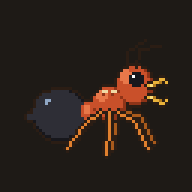
Little black ant is a 1-star species card from the Stone Age. Little black ants are about one and a half millimetres long.
Bonus by grade
| Grade | Copies needed | Bonus |
|---|---|---|
| Common | 0 | +5% population growth |
| Uncommon | 2 | +9% population growth |
| Rare | 5 | +15% population growth |
| Epic | 10 | +22.5% population growth |
| Legendary | 20 | +35% population growth |
Duplicates raise the grade: Uncommon at 2, Rare at 5, Epic at 10, Legendary at 20.
Codex
- Common: The little black ant (Monomorium minimum) is one of the smallest common ants.
- Uncommon: Its colonies often have more than one queen.
- Rare: Workers follow scent trails in long, thin lines.
- Epic: It nests in soil, wood and walls.
- Legendary: It eats sweets, other insects and seeds.
Field notes are reviewed regularly. Spot something wrong? Tell us.
Field guide
| Size | Workers as small as 1.5 mm; queens up to about 4 mm |
| Colony | Several thousand ants |
| Queens | Two or more queens per colony |
| Nest | Under stones, in rotting logs and soil, or in wall gaps |
| Diet | Sweets, greasy foods, honeydew, seeds and other insects |
| Defence | Tiny sting and a mild pinch; rarely needs treatment |
| Active | Forages along trails; winged swarms in June to August |
| Lifespan | Not well known |
| Where it lives | Southern Canada, the United States and Mexico |
Did you know?
- Workers move indoors when they need warmth or moisture.
- Males die soon after mating.
- It is common in towns and cities as well as gardens.
Sources: orkin.com