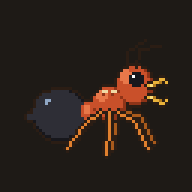
Short-beaked echidna is a 4-star creature card from the Atomic Age. Echidnas eat ants and termites and are one of the few mammals that lay eggs.
Bonus by grade
| Grade | Copies needed | Bonus |
|---|---|---|
| Common | 0 | +12% soldier HP |
| Uncommon | 2 | +21.6% soldier HP |
| Rare | 5 | +36% soldier HP |
| Epic | 10 | +54% soldier HP |
| Legendary | 20 | +84% soldier HP |
Duplicates raise the grade: Uncommon at 2, Rare at 5, Epic at 10, Legendary at 20.
Codex
- Common: The short-beaked echidna lives across Australia and New Guinea.
- Uncommon: It is covered in spines.
- Rare: It catches ants and termites with a long sticky tongue.
- Epic: It is a monotreme: a mammal that lays eggs.
- Legendary: A baby echidna is called a puggle.
Field notes are reviewed regularly. Spot something wrong? Tell us.
Field guide
| Size | About 35 to 52 cm long; up to about 6 kg |
| Nest | Burrows, hollow logs, rock crevices and under bushes; no fixed home |
| Diet | Ants and termites, found mainly by smell |
| Defence | Curls up or digs in with spines outward; cars and dogs are the main dangers |
| Active | Early morning and evening, when it is cooler |
| Lifespan | About 10 years in the wild; can reach 15 to 40 in care |
| Where it lives | Most of Australia, including Tasmania, from deserts to alpine areas; also New Guinea |
Did you know?
- It has no teeth and grinds food between its tongue and the roof of its mouth.
- It breaks into nests with its snout and claws, and swallows soil along with its meal.
- A puggle stays in the pouch for about three months and is weaned at about 12 months.
Sources: wildlife.vic.gov.au, australiangeographic.com.au, australian.museum