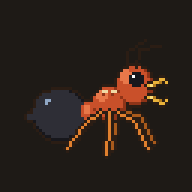
Praying mantis is a 3-star creature card from the Atomic Age. Praying mantises hunt by ambush, striking with spiked front legs.
Bonus by grade
| Grade | Copies needed | Bonus |
|---|---|---|
| Common | 0 | +3% critical hit chance |
| Uncommon | 2 | +5.4% critical hit chance |
| Rare | 5 | +9% critical hit chance |
| Epic | 10 | +13.5% critical hit chance |
| Legendary | 20 | +21% critical hit chance |
Duplicates raise the grade: Uncommon at 2, Rare at 5, Epic at 10, Legendary at 20.
Codex
- Common: Mantises hold their front legs folded, as if praying.
- Uncommon: They can swivel their heads to follow moving prey, which few insects can do.
- Rare: Some species look like leaves, sticks or flowers.
- Epic: Female mantises sometimes eat males after mating.
- Legendary: Australia has about 120 mantis species, many of them in the tropics.
Field notes are reviewed regularly. Spot something wrong? Tell us.
Field guide
| Size | About 1–12 cm depending on species; garden mantid about 4 cm |
| Nest | On flowers, tree trunks and tall grass; some live on the ground |
| Diet | Mostly insects; large ones sometimes take small vertebrates |
| Defence | Camouflage; may freeze, run, release odours or flash warning colours |
| Active | Day and night; usually solitary and weak fliers |
| Lifespan | Not well known |
| Where it lives | Australia-wide, with many species in the tropics |
Did you know?
- Young mantises of some species mimic ants to avoid being eaten.
- About 80% of Australian mantises belong to one family, the Mantidae.
- Adults fly only in short bursts.
Sources: australian.museum, australian.museum