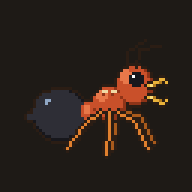
Wattle seed is a 1-star creature card from the Steam Age. Many wattle seeds carry a fatty tag that ants eat, so ants plant the seeds for them.
Bonus by grade
| Grade | Copies needed | Bonus |
|---|---|---|
| Common | 0 | +5% Food production |
| Uncommon | 2 | +9% Food production |
| Rare | 5 | +15% Food production |
| Epic | 10 | +22.5% Food production |
| Legendary | 20 | +35% Food production |
Duplicates raise the grade: Uncommon at 2, Rare at 5, Epic at 10, Legendary at 20.
Codex
- Common: Many Australian wattles have seeds with a fatty attachment.
- Uncommon: The attachment is called an elaiosome.
- Rare: Ants carry the seeds home and eat the elaiosome.
- Epic: The seed is left safe underground, where it can sprout.
- Legendary: Seed-spreading by ants is called myrmecochory.
Field notes are reviewed regularly. Spot something wrong? Tell us.
Field guide
| Size | Not well known |
| Nest | Seeds fall to the ground and are buried in ant nests or middens |
| Diet | A seed holds its own food store; the fatty tag feeds ant larvae |
| Defence | Hard seed coat; burying by ants hides seeds from seed-eating animals |
| Active | Seeds are collected by ants after pods open and drop them |
| Lifespan | Not well known |
| Where it lives | Across Australia, including semi-arid country such as South Australia and Western Australia |
Did you know?
- Burial by ants mainly protects seeds from being eaten, rather than carrying them far.
- Soil cover from ant burial may shield seeds from the heat of wildfires.
- In one semi-arid study, ants moved Acacia seeds up to about 420 m, far beyond the usual few metres.
Sources: plantnet.rbgsyd.nsw.gov.au, espace.curtin.edu.au